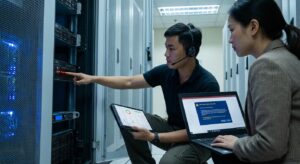
The management system of a website, server, or application is the primary target of hackers. Every day, countless unrecognized IPs scan, attack, and exploit vulnerabilities to take control. Blocking unrecognized IPs is the first line of defense, but how to implement it effectively? This article will provide a comprehensive guide on how to protect your management system, from detecting and blocking IPs on cPanel, WordPress to advanced security measures.
Why is Blocking Unrecognized IPs Important for Management Systems?
What is a management system and why is it a target for attacks?
The management system is responsible for operating and managing the activities of a website or application. It may store important information, such as customer data, website content, and system configurations. Therefore, hackers will always target these systems to find ways to gain control, disrupt services, or steal data.
Common attack forms targeting management systems (IP Spoofing, Brute Force, DDoS…)
Common methods of attacks on management systems include IP Spoofing, where cybercriminals fake an IP address to infiltrate; Brute Force Attack, a trial-and-error method to guess passwords; and DDoS attacks aimed at making the service unavailable by sending fake traffic.
Severe consequences when management systems are compromised
When a management system is compromised, the consequences can be severe: data loss, service disruption, reputational damage, and financial loss. Thus, protection must be taken seriously and continuously.
Identifying Unrecognized IPs and Signs of Unusual Activity
What is an unrecognized IP? Distinguishing between unrecognized and malicious IPs
An unrecognized IP is an address that you do not recognize or know the origin of. Not all unrecognized IPs are malicious; however, they can be a sign of attack attempts. It is necessary to distinguish between unrecognized IPs (which may be unfamiliar users or bots) and malicious IPs, meaning addresses associated with attack behaviors.
Signs of unusual access to watch out for
Signs of unusual access may include the number of access requests exceeding normal limits from a single IP within a short period, or an excessive number of failed login attempts from a specific IP.
Tools and methods to monitor and analyze access logs
Tools like AWStats or access logs on cPanel help you monitor and analyze traffic to your system. Daily monitoring helps you quickly detect any unusual signs.
Detailed Guide to Effectively Blocking Unrecognized IPs
Blocking IPs with Firewalls
How firewalls work and their importance in security
Firewalls are software or hardware that protect computers and networks by controlling traffic. Firewalls can immediately block unrecognized IPs without manual intervention from the administrator.
Configuring firewalls to block IPs (iptables, firewalld)
Tools like iptables or firewalld allow you to configure rules to block specific IPs and manage traffic in and out of your network.
Creating detailed IP blocking rules (ingress/egress filtering)
Rules can be created to only allow connections from trusted IPs while completely blocking unidentified IP addresses.
Blocking IPs directly on cPanel
Step-by-step guide to blocking IPs in cPanel
In cPanel, you can easily access the IP Blocker, enter the IP address you want to block, and follow the instructions. This is a quick way to secure the system.
Pros and cons of this method
The greatest advantage is that you can adjust IPs immediately without external intervention. The downside is that this does not help you detect more sophisticated attack methods.
Blocking IPs on WordPress
Using security plugins (e.g., Wordfence, Sucuri)
To block IPs on WordPress, you can use security plugins like Wordfence or Sucuri. These plugins not only help block IPs but also provide many other security features.
Blocking IPs through the .htaccess file (caution)
You can also block IPs through the .htaccess file. This needs to be done cautiously as any mistakes may cause the website to malfunction.
Blocking IP ranges and using Patterns (Regex)
How to identify and block IP ranges
Administrators can block an IP range by using syntax in the firewall or configuration file. This is especially useful when you want to block an entire network.
Using regular expressions to block IPs with common patterns
Regex allows you to identify and block IPs with similar properties, such as IPs from a specific country.
Enhancing Security for Management Systems: Blocking IPs is Just the Starting Point
Using encryption protocols (HTTPS)
The importance of HTTPS in data protection
The HTTPS protocol not only encrypts data between the browser and the server but also builds the credibility of the website in the eyes of users. Not using HTTPS may make your data vulnerable.
How to install and configure HTTPS
Setting up HTTPS can be done through SSL certificate provisioning services. Ensure that every page of yours operates through the HTTPS protocol.
Enabling two-factor authentication (2FA) for admin accounts
The benefits of 2FA and how it works
Two-factor authentication is an additional security layer that ensures that only authorized individuals can access accounts. Even if the password is compromised, 2FA will protect you from attacks.
Popular 2FA applications (Google Authenticator, Authy)
There are many applications that support the 2FA feature such as Google Authenticator and Authy. You can choose the application that suits you to secure your account more effectively.
Using VPN to access management systems
What is a VPN and why you should use one
VPN (Virtual Private Network) creates a virtual private network, ensuring privacy and security for connections to management systems. Without a VPN, your data could be monitored or intercepted remotely.
Reputable VPNs and how to set them up
Reputable VPN services like NordVPN, ExpressVPN offer strong security solutions. Be sure to configure and set it up properly to maximize the benefits of VPN.
Monitoring security alerts and system logs
The importance of continuous monitoring
Monitoring the system is crucial for timely detection of unusual behavior. Setting up automated alert measures helps you respond quickly when signs of attacks are detected.
Setting up automated alerts for detecting suspicious activity
Monitoring tools can automatically notify you when there is suspicious access from unrecognized IPs. This helps to proactively protect the management system.
Important Notes for Effective and Safe IP Blocking
Avoid blocking valid IPs (false positive)
How to verify an IP before blocking
Before deciding to block an IP, you need to verify if it is indeed harmful. This can be done using log analysis and monitoring tools.
Consequences of mistakenly blocking a valid IP
Blocking a valid IP by mistake can lead to the loss of potential customers or disrupt current users, resulting in damage to your business’s reputation.
Maintain a whitelist and blacklist of IPs
Principles for building and managing whitelists/blacklists
The whitelist should only include trusted IP addresses, while the blacklist is a collection of known malicious IP addresses. Ensure that you update them regularly to match the actual situation.
Automating the management process of the lists
Tools actively automating this process will facilitate easier management of whitelists/blacklists. This also helps to quickly update according to different security requirements.
Regularly backup the system
The importance of backing up data
Regularly backing up data is essential for quickly restoring the system in case of attacks or failures. Without backups, you may lose valuable data entirely.
Schedule automated backups and periodic checks
Automated backup systems can provide peace of mind regarding your data. Set up schedules for periodic data backups and conduct regular checks to ensure everything is functioning well.
Build an incident response plan in case of attacks bypassing IP blocking mechanisms
Steps to take when an attack is detected
When an attack occurs, you need an incident response plan to react quickly and effectively. This includes monitoring the system, blocking connections, and reporting incidents.
Contacting security experts
When incidents occur, contacting security experts is necessary. They will help you handle the situation and better protect the system in the future.
Tools & Services Supporting Protection of Management Systems
Web Application Firewall (WAF)
What is WAF and its main functions
WAF (Web Application Firewall) is a security solution designed to protect web applications from threats and vulnerabilities. WAF inspects traffic and blocks malicious content or unusual behaviors.
Popular WAFs (Cloudflare, Sucuri, AWS WAF)
Renowned WAF services such as Cloudflare, Sucuri, or AWS WAF provide many features to automatically detect and prevent attacks on your management system.
Security software/plugins for CMS (WordPress, Joomla…)
Introduction to top security plugins
Top security plugins like Wordfence, iThemes Security, and Sucuri help protect, manage, and monitor website activities effectively.
Configuring and using plugins effectively
To optimize security, ensure that you use these plugins correctly and update them regularly. In addition to providing remote protection, these plugins also help monitor other unusual activities.
Professional management and security services
The benefits of outsourcing security services
Outsourcing management and security services can save time and costs while ensuring that you receive high-quality service from top experts.
Criteria for selecting a reputable service provider
When selecting a security service provider, consider past client reviews, certifications guaranteeing service quality, and performance commitments.
Conclusion and Recommendations
Summary of measures to block IPs and secure management systems
In this article, we have provided you with an overview of blocking unrecognized IPs and effective security measures. Maintaining safety for the management system goes beyond just blocking IPs but requires a comprehensive strategy.
Advice for maintaining a safe and stable system
We recommend that you regularly examine and update your system, use multi-layered security measures, and monitor activities to promptly respond to any attacks.
Call to action: Start protecting your system today!
Begin your journey to protect your management system today! By applying the measures we mentioned, you will ensure data safety and thwart potential attacks.
FAQ
When should a business ask IT Systems for support?
Ask for support when the issue affects users, business data, security, licensing compliance, service availability or daily operations. A short technical review often prevents repeated incidents and hidden costs.
Can IT Systems help review the current environment before proposing a solution?
Yes. IT Systems can review the current setup, identify risks, map the issue to the right service scope and recommend a practical next step for your business.
Does this topic connect to ongoing IT operations?
In most cases, yes. Problems around software, cloud, endpoint, network, backup or security should be connected to a broader IT operations plan instead of being handled as isolated incidents.
Need help applying this to your business?
IT Systems Vietnam can help assess the issue, recommend the right service path and support implementation for your team.