


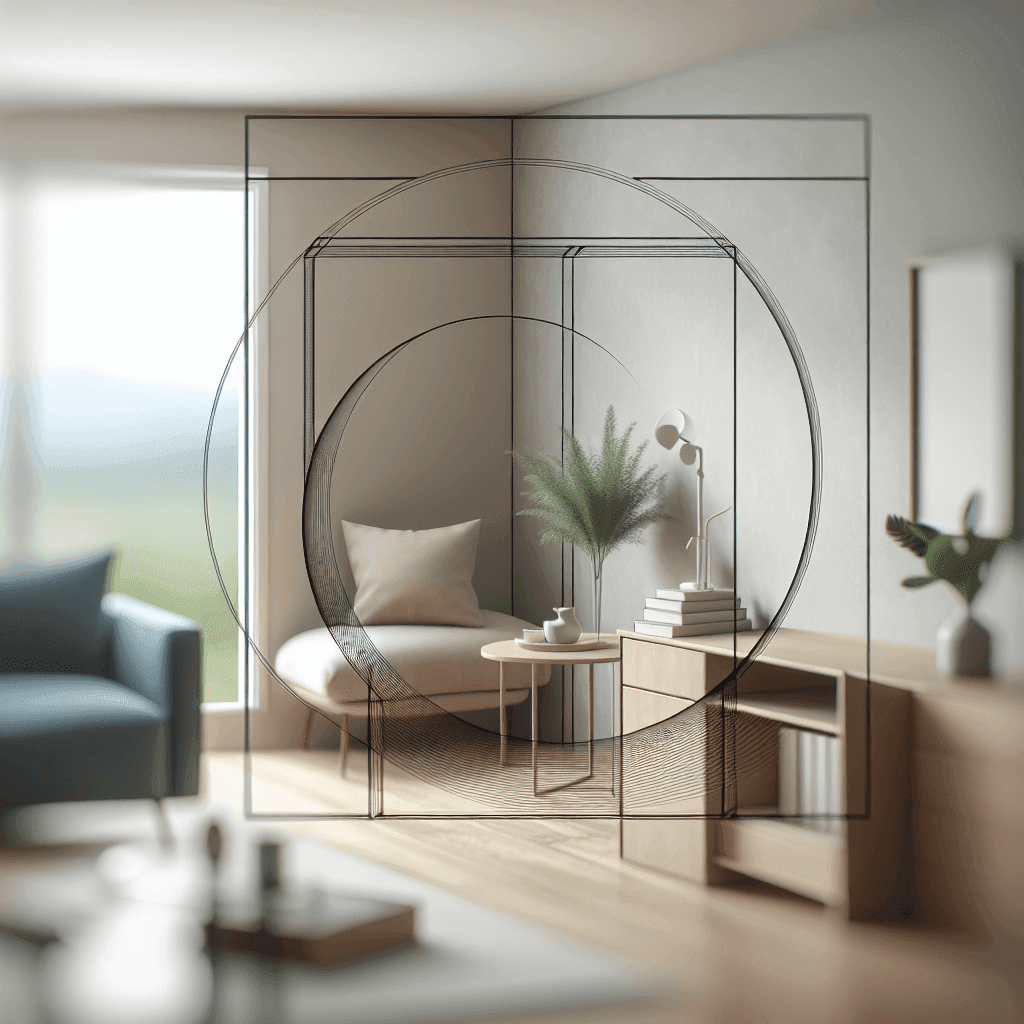
Minimalist design is becoming a popular trend due to its elegance, modernity, and ability to optimize space. In this context, white space plays a crucial role, providing a sense of spaciousness, airiness, and tranquility. This article will share tips and principles for effectively applying white space, creating a minimalist, aesthetically pleasing, and inspiring living environment. Minimalist design
What is minimalist design? Why is white space important?
Definition of the Minimalism style (What is minimalist design?)
The minimalist design style, also known as minimalism, focuses on using the simplest design elements, eliminating unnecessary details. For many, minimalist design is not just a style but also a philosophy of life. The graceful and sophisticated lines and shapes are what this style aims for.
History and development of minimalist style
The minimalist style has been around since the mid-20th century, greatly influenced by Japanese culture and modern architecture. It has been applied in various fields such as architecture, fashion, and interior design. To this day, minimalist style remains popular and influential.
The role and significance of “white space” in interior design
Creating a sense of spaciousness and airiness
White space serves as a powerful tool in interior design, helping to create a sense of expansiveness and airiness. These open areas allow natural light to circulate better.
Enhancing aesthetics and focusing on design elements
White space highlights details and design elements in the room, allowing the viewer to focus more easily on what is most important.
Providing relaxation and reducing stress
White space also creates a calm and relaxing atmosphere, helping to reduce stress in our daily lives.
The “golden” principles for coordinating white in minimalist spaces
Basic types of white and how to use them
Pure White
White color is divided into various types, among which pure white is often used to create minimalist spaces that contrast with other colors.
Warm White
Warm white creates a cozy and friendly feeling, suitable for living spaces.
Cool White
Cool white, on the other hand, brings a modern and liberal feel, often used in contemporary designs.
How to combine white with neutral colors (beige, gray, black, brown)
Creating balance and harmony
By combining white with neutral colors, we can create a harmonious and balanced space that enhances design depth.
Enhancing depth and warmth
This combination not only brings vibrancy but also makes the space feel cozier.
Common mistakes when using white space and how to fix them
Space becoming cold and monotonous
Overusing white space without additional elements to break the monotony often results in a cold environment.
Harsh or overly dim lighting
Not considering natural and artificial light when using white space can make the space uncomfortable.
7 tips for properly applying “white space” in minimalist interior design
Selecting minimalist and multifunctional furniture
Prioritize simple, neat lines
Furniture with simple designs helps create an elegant space.
Choose multifunctional furniture to save space
Multifunctional furniture is a smart choice for limited spaces.
Intelligently arrange furniture to create strategic openings
Maintain distance between objects
This will make the space feel more spacious.
Create airy walkways
Both of these factors will make the space more pleasant to navigate.
Maximize natural light
Use light, sheer curtains
Light-colored curtains allow natural light to flow in easily.
Place mirrors to reflect light
Mirrors help expand the space and better reflect light.
Add accents with colors and materials
Use a few decorative items in bold colors
This will help make the space lively and attractive.
Combine light-colored wood, glass, and metal materials
Each material will give the space a different feel.
Simplify decorative items and accessories
“Less is more” – Minimal is more
We don’t need many accessories to create a beautiful space.
Select items that are meaningful and aesthetically valuable
This will enhance the value of each item in the space.
Design smart storage solutions
Utilize empty spaces like under the bed and built-in wardrobes
This will help maximize space saving.
Use clear storage boxes for easy visibility
Clear boxes allow for better airflow and make it easy to find items.
Application for small spaces (studio apartments, rooms…)
Use wall-mounted, folding furniture
This saves floor space for daily activities.
Create an open, interconnected space
This optimizes every nook of the apartment.
Real-life case study: Minimalist design ideas with white space for each room
Minimalist living room
Arrange a simple sofa, coffee table, TV stand
Furniture should not be overly elaborate but must exude sophistication.
Use neutral-colored rugs
Neutral rugs create a connection and harmony for the space.
Minimalist kitchen
White kitchen cabinets with no handles
Opt for minimalist cabinets to maximize space.
Compact dining table and simple chairs
This makes the kitchen area feel light and easy to use.
Minimalist bedroom
Low bed, no elaborate borders
Low beds provide a close and comfortable feel.
Built-in wardrobe
This helps save space and keeps the bedroom tidy.
Minimalist workspace
Simple desk, comfortable chair
Keep everything simple to focus more on work.
Wall-mounted bookshelves
This is convenient and does not take up floor space.
Minimalist bathroom
White wall tiles
This brings a clean and serene feel to the bathroom.
Simple, modern sanitary fixtures
Choose items that are not overly elaborate but still elegant.
Notes on emotions and experiences in white space
How to create a cozy feel in a white space without coldness
Use warm yellow lighting
Warm lighting helps soothe the space.
Add details with wood, fabric, wool
This creates a warmer atmosphere for the minimalist space.
Personalize the space with plants, photos, handmade items…
Add vibrancy and closeness to your living space.
Maintain tidiness and cleanliness for a calming atmosphere
When everything is neatly arranged, it creates peace for the soul.
Conclusion: Tips for achieving an inspiring minimalist living space
Summarizing the benefits of minimalist design and white space
Minimalist design not only creates a beautiful space but also makes our lives easier and more comfortable.
Advice for starting your minimalist design journey for your home
Start with the small things, apply each step, and enjoy the transformation of your living space.
FAQ
When should a business ask IT Systems for support?
Ask for support when the issue affects users, business data, security, licensing compliance, service availability or daily operations. A short technical review often prevents repeated incidents and hidden costs.
Can IT Systems help review the current environment before proposing a solution?
Yes. IT Systems can review the current setup, identify risks, map the issue to the right service scope and recommend a practical next step for your business.
Does this topic connect to ongoing IT operations?
In most cases, yes. Problems around software, cloud, endpoint, network, backup or security should be connected to a broader IT operations plan instead of being handled as isolated incidents.
Need help applying this to your business?
IT Systems Vietnam can help assess the issue, recommend the right service path and support implementation for your team.


