


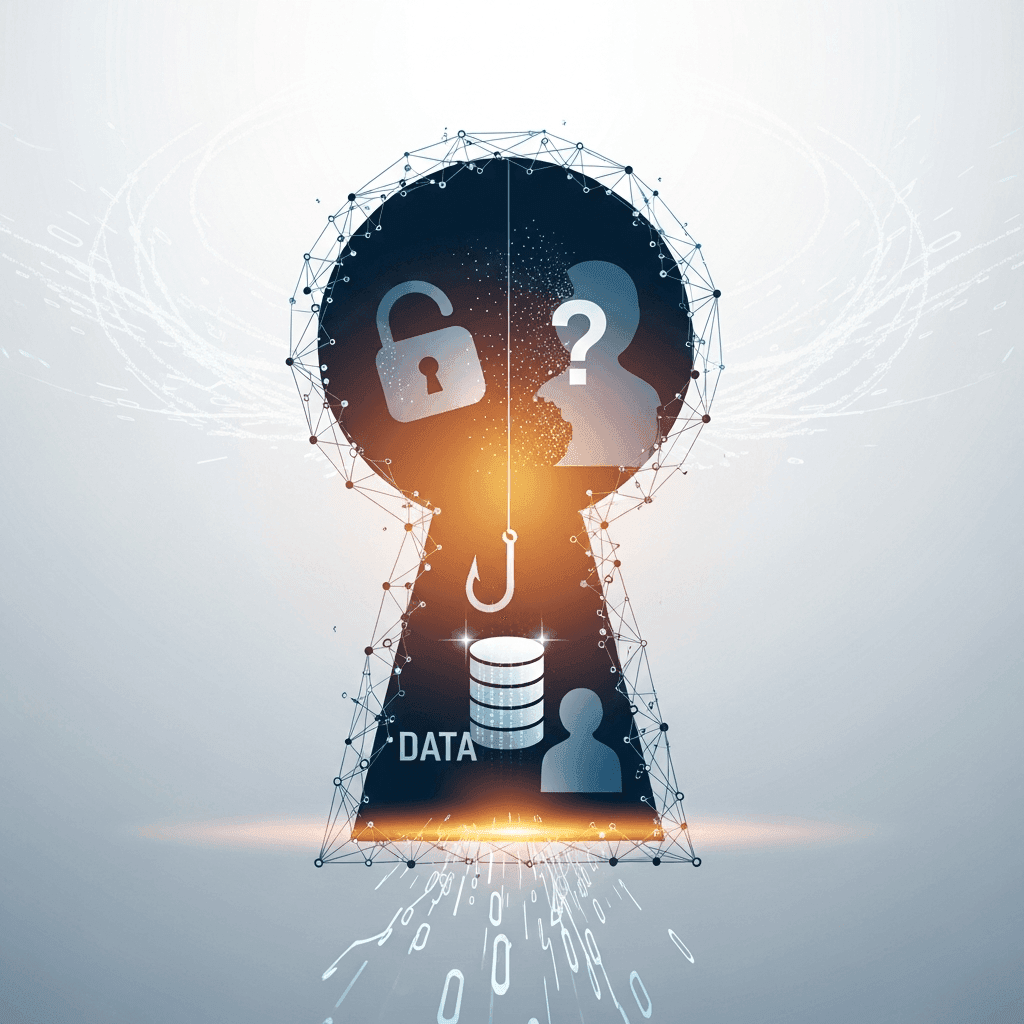
Social engineering is becoming one of the top threats in an increasingly complex cybersecurity landscape, with sophisticated attacks targeting the human element rather than technological vulnerabilities. According to the Verizon DBIR 2023 report, over 74% of security breaches involve the human element, demonstrating that malicious actors are fully exploiting the lack of vigilance in individuals and organizations. Attackers don’t need advanced hacking skills; they just need a fake email, a fraudulent call, or an urgent message to steal sensitive data, access internal systems, or even take control of entire infrastructures.
In the digital age, every business, from small to large, is a potential target. An employee accidentally clicking on a malicious link can lead to widespread ransomware, millions of dollars in losses, and long-term reputational damage. Various attack forms like email phishing, SMS smishing, and QR code quishing are booming with the support of AI, creating fraudulent content so realistic it’s hard to distinguish. What’s alarming is that even large organizations with advanced security systems fall into these traps by overlooking the ‘weakest link’ – people.
Identifying and defending against social engineering attacks requires a combination of technology and education. Businesses need to build comprehensive awareness, from senior leadership to frontline employees, to turn each individual into the first line of defense. Regular training, realistic attack simulations, and clear policies will significantly reduce risks. Furthermore, integrating tools like smart email filters, multi-factor authentication, and user behavior monitoring will create a solid defensive wall.
Beyond defense, successful businesses also turn this challenge into an opportunity to enhance their security culture. When employees are empowered to recognize and report threats, the organization not only avoids losses but also strengthens internal cohesion. In the context of Vietnam’s rising online scams, investing in preventing phishing attacks is no longer an option but a necessity. To support your business, explore professional IT support services that help implement comprehensive security solutions.
This article will delve into the nature of the problem, the importance of training, common mistakes, and practical strategies to protect your organization from these invisible threats. Let’s learn more to take action today!
1. What is Social Engineering and Why is it Escalating?
Social engineering is a common form of attack in today’s cybersecurity field. Essentially, it’s a method where attackers target the human element rather than technology, exploiting users’ trust and oversights to steal information or infiltrate systems. The targets of these non-technical attacks are often individuals with limited security knowledge, businesses with loose procedures, or anyone with access to critical systems.
One of the most common forms of social engineering is phishing, where attackers impersonate trustworthy organizations to trick users into providing sensitive information. Spear phishing takes this a step further by targeting specific individuals, often including personal data to build credibility. Additionally, vishing (voice phishing) and deepfakes are becoming increasingly dangerous with the power of AI technology.
These attacks are based on human psychology, such as exploiting authority, creating a sense of urgency, or instilling fear to make users make quick decisions without careful consideration.
To recognize these scam attacks, users should look for signs like sudden requests for information from unknown sources, emails with spelling errors, or suspicious links. The consequences of not being vigilant can lead to significant losses for individuals and businesses, from personal data theft to severe economic damage.
2. The Importance of Employee Training Against Social Engineering Threats
Protecting Corporate Assets and Data: Training employees on social engineering threats is a crucial step in safeguarding a company’s assets and data. By understanding new attack techniques and patterns, employees can detect and prevent unusual activities early, thereby minimizing the risk of losing critical data.
Minimizing Risks from the Human Element: Humans are often the weakest link in the security chain. Training to raise awareness helps employees correct unsafe behaviors, enhances their self-protection against external threats, and avoids unnecessary risks.
Building a Proactive Security Culture: When employees are equipped with the necessary knowledge, they tend to act more proactively in protecting systems and data. This not only creates a safe working environment but also increases the company’s credibility in the eyes of customers and partners.
Preventing Financial and Reputational Damage: If not handled promptly, social engineering attacks can cause significant financial and reputational damage. By implementing rigorous training programs and disseminating security knowledge, businesses can minimize these negative impacts.
Enhancing Awareness and Defense Capabilities: Finally, training also helps individuals within the company feel more confident when facing threats. Employees will know how to handle information, react promptly and correctly, thereby enhancing the organization’s overall defense capabilities.
3. Common Mistakes When Dealing with Social Engineering Attacks
In dealing with social engineering attacks, many businesses often make serious mistakes. First, they underestimate the severity of these attacks. Attacks like social engineering can bypass all technical barriers to infiltrate systems, causing major losses that companies often overlook.
Second, a lack of awareness and employee training is a core factor leading to failure in preventing attacks. Employees who are not equipped with the necessary knowledge and skills to identify and handle situations can easily become victims.
Third, a slow and inconsistent response to attack warnings is another common weakness. Lack of preparation and discipline in response can cause a business to miss the opportunity to stop an attack at its onset, multiplying the damage.
Fourth, blaming individuals instead of the system is another flawed reaction. Instead of finding long-term solutions to thwart attacks at their root, many companies assign blame to an individual, when the real problem lies in systemic vulnerabilities.
Failing to report incidents out of fear or a desire to conceal them is also a dangerous mistake. This only makes the business an easier target for future attacks. Finally, over-relying on technological solutions without proper security procedures can create a false sense of security, making the business less vigilant and more vulnerable to attacks. Technological solutions must be combined with strict procedures and proactive employee involvement to ensure comprehensive security.
4. Benefits of Effective Social Engineering Countermeasures
An effective social engineering prevention strategy offers many clear benefits. First, protecting data and information assets is crucial, especially for small and medium-sized businesses that often lack specialized IT staff. By implementing advanced security measures, businesses can ensure their data is not compromised and limit the risk of critical information leaks.
Second, minimizing direct financial risks is an undeniable benefit. Social engineering attacks like phishing not only cause data loss but also directly impact a company’s revenue and operating costs. By investing in robust security solutions, businesses can avoid unnecessary financial losses and maintain financial stability.
Maintaining reputation and customer trust is vital for business survival. When customers know their information is well-protected, their trust is strengthened, allowing the business to build long-lasting and loyal customer relationships.
Ensuring business continuity is also a priority for businesses. A strong security system helps prevent unforeseen disruptions, thereby maintaining smooth operations, even when facing potential threats.
Finally, strengthening the internal security culture is a critical stepping stone for a company’s sustainable growth. By building awareness and training employees on security, businesses can create a safe working environment and foster a sense of responsibility for protecting information.
In the context of rapid technological development, complying with security regulations is not only a legal obligation but also a way for businesses to demonstrate their commitment to customers. Strict compliance helps businesses avoid unnecessary legal violations while enhancing their professional image in the market.
5. Implementing a Strong Anti-Phishing Strategy in the Enterprise
Training and raising employee awareness about phishing threats is an essential part of an anti-phishing strategy. Creating regular courses and providing the latest materials helps employees understand common attack methods and prevention techniques. This not only enhances security awareness but also prevents unnecessary risks.
Meanwhile, implementing technological security solutions such as anti-phishing software and continuous monitoring systems will protect the company’s technological infrastructure. This system needs to be flexible to adapt to new changes in the network environment, thereby optimizing performance and security.
To enhance rapid response capabilities, establishing incident reporting and handling procedures is very important. An effective process helps to quickly identify and respond to unexpected incidents, while minimizing information loss and financial damage.
Organizing simulated attack drills is an effective practical method. This is a way to realistically assess the response capabilities and identify existing weaknesses in the company’s security system. From there, the business can make necessary adjustments.
Applying Multi-Factor Authentication (MFA) will be a strong additional barrier to any unauthorized access attempts to the system. Using MFA means that account credentials alone are not enough to gain entry, thereby strengthening the protection of company data.
Finally, to always stay proactive, continuously analyzing and updating threat intelligence ensures that the business does not fall behind in the fight against phishing attacks. These steps not only improve the capabilities of the current system but also build a solid security foundation for the future.
6. Conclusion and Call to Action for Enhanced Training on Social Engineering Prevention
In the previous section, we thoroughly examined how society and organizations should deal with threats from social engineering attacks. Continuous training cannot be overlooked, because when employees are constantly updated on the latest attack methods, the business will not only enhance its prevention capabilities but also improve internal security awareness.
An inseparable part is building a culture of security awareness. By encouraging everyone to share information and experiences about security, the business will no longer rely solely on technology but will also create a safe working environment originating from its people.
Finally, to ensure long-term effectiveness, businesses need to propose concrete action steps. This includes organizing regular training sessions, applying modern security monitoring technology, and conducting regular security audits. These practical actions will help enhance defense capabilities against increasingly sophisticated attacks.
FAQ
When should a business ask IT Systems for support?
Ask for support when the issue affects users, business data, security, licensing compliance, service availability or daily operations. A short technical review often prevents repeated incidents and hidden costs.
Can IT Systems help review the current environment before proposing a solution?
Yes. IT Systems can review the current setup, identify risks, map the issue to the right service scope and recommend a practical next step for your business.
Does this topic connect to ongoing IT operations?
In most cases, yes. Problems around software, cloud, endpoint, network, backup or security should be connected to a broader IT operations plan instead of being handled as isolated incidents.
Need help applying this to your business?
IT Systems Vietnam can help assess the issue, recommend the right service path and support implementation for your team.


