


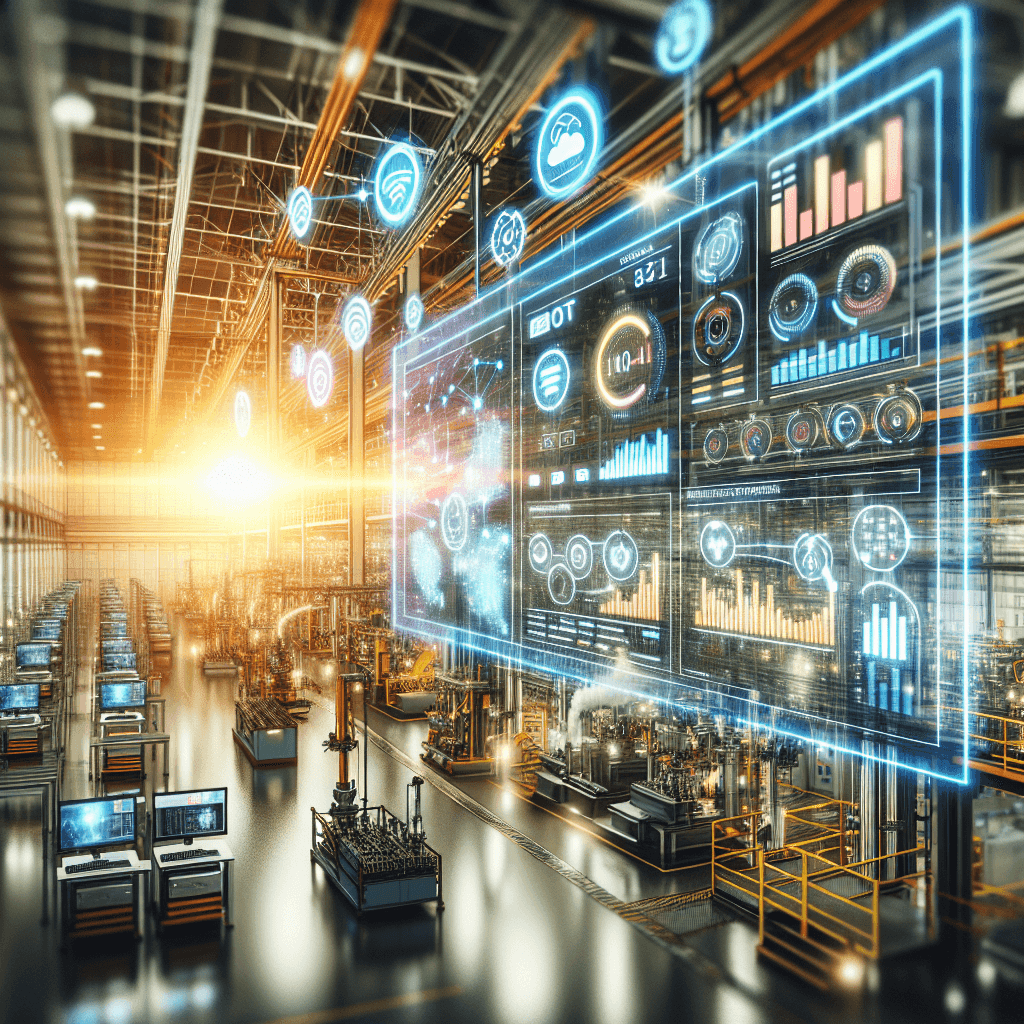
In the era of Industry 4.0, smart factories are gradually becoming the ideal production model, and integrating IoT networks for smart factories is the key to unlocking its vast potential. However, for successful IoT application, enterprises need a clear roadmap, appropriate technology selection, and ensure safety and security. This article will provide a comprehensive overview of the process of integrating IoT networks for smart factories, from an overview, benefits, to technological solutions and challenges to overcome.
1. Integrating IoT Networks for Smart Factories: Overview of IoT and Smart Factories
What is IoT? Basic Definition and Operating Principles
The Internet of Things (IoT) is a concept that describes the connection of physical devices, sensors, and intelligent software through the internet, allowing them to collect and exchange data. The basic principles of IoT include connectivity, data collection, analysis, and decision-making.
What is a Smart Factory? Components
A smart factory is a manufacturing environment that uses digital technology and IoT to drive automation, optimize production processes, and improve product quality. The components of a smart factory include: smart sensors, integrated operating systems, big data analytics, and modern connectivity technologies such as 5G.
The Relationship between IoT and Smart Factories: Why is IoT the Foundation of Smart Factories?
IoT is one of the most important foundations for the development of smart factories. By connecting manufacturing devices and systems, IoT helps monitor and optimize processes, thereby improving efficiency and minimizing waste.
Levels of IoT Application in Smart Factories
Applications of IoT in smart factories can be divided into various levels, ranging from data collection and analysis to automatic decision-making and support in the production process.
2. Why Do Factories Need to Integrate IoT Networks? Exceptional Benefits
Enhancing Performance and Production Productivity
-
Automation of Production Processes
Automation of production processes through IoT helps minimize human errors while speeding up production.
-
Monitoring and Optimizing Machinery and Equipment Operations
IoT sensors can monitor the operation of each machine, thereby detecting faults early and optimizing maintenance.
-
Intelligent Supply Chain Management
Through IoT, factories can efficiently track and manage the supply chain, helping to minimize goods loss.
Reducing Costs and Waste
-
Energy Savings
Using IoT to monitor energy consumption helps factories optimize costs and use resources effectively.
-
Reducing Downtime
By detecting faults early and predicting maintenance, IoT helps minimize unnecessary downtime.
-
Optimizing Material Usage
Information from IoT helps manage the amount of materials used, reducing waste and enhancing competitiveness.
Enhancing Product and Service Quality
-
Real-Time Quality Control
IoT allows for quality control of products during the production process, thereby improving output quality.
-
Personalizing Products to Customer Requirements
Factories can adjust products according to actual customer demands, increasing competitiveness and satisfaction.
Improving Occupational Safety
-
Monitoring Workplace Conditions
IoT sensors can monitor working conditions, enhancing safety for workers.
-
Detecting and Preventing Accidents
By analyzing data from IoT, factories can identify potential risks and prevent workplace accidents.
3. Integrating IoT Networks for Smart Factories: Common IoT Technologies and Solutions
Wireless Connection Protocols and Standards
-
5G: Advantages, Disadvantages, and Applications in Factories
5G provides high bandwidth and low latency, enabling the simultaneous and fast connection of multiple devices.
-
LoRaWAN: Advantages, Disadvantages, and Applications in Factories
LoRaWAN is suitable for IoT applications requiring long-distance connectivity and low power consumption.
-
NB-IoT: Advantages, Disadvantages, and Applications in Factories
NB-IoT is a cost-effective choice for IoT applications with high connection density.
-
Zigbee, Wi-Fi, Bluetooth: Comparison and Selection
These communication standards have their own advantages and disadvantages that businesses need to consider when choosing.
IoT Software Platforms and Services
-
IoT Platform: Functions, Benefits, and Common Providers
These platforms often provide analytical services, data management, and connectivity for IoT devices.
-
Cloud Computing: Advantages, Disadvantages, and Applications in Factories
Cloud computing allows for flexible and cost-effective storage and analysis of big data.
-
Edge Computing: Advantages, Disadvantages, and Applications in Factories
Edge Computing processes data right at the collection point, reducing network load and improving response speed.
Common IoT Devices Used in Factories
-
Sensors
Sensors are basic devices that help collect data about the environment and the production process.
-
Actuators
Actuators carry out actions based on data from sensors.
-
Gateway Devices
Gateway devices act as a bridge between IoT devices and management systems.
4. Step-by-Step Process of Integrating IoT Networks into Factories
Step 1: Assess Current Status and Define Objectives
-
Analyze Current Production Processes
Enterprises need to analyze current processes to identify weaknesses that require improvement.
-
Identify Issues to Address and Opportunities for Improvement
These issues may include costs, performance, or product quality.
-
Set Specific, Measurable, Achievable, Relevant, and Time-bound (SMART) Goals
Defining specific goals helps guide the implementation process.
Step 2: Select Appropriate Technology and Solutions
-
Based on Objectives and Budget
Technology choices must align with the objectives and financial capabilities of the enterprise.
-
Consider Compatibility with Existing Systems
Ensure that selected solutions can integrate with the current infrastructure.
-
Evaluate Suppliers and Choose Reliable Partners
Select suppliers with proven experience and reliability.
Step 3: Design and Implement the IoT System
-
Develop a Detailed Plan
A detailed plan is necessary for each stage of the implementation process.
-
Build Network Infrastructure
The network system needs to be established to ensure stable and fast operation.
-
Install and Configure IoT Devices
Devices must be installed and configured correctly to ensure effective operation.
Step 4: Connect and Integrate Data
-
Ensure Interoperability Between Devices and Systems
Proactively work to ensure devices can communicate seamlessly with each other.
-
Build a Data Management and Analysis System
Data analysis is a crucial part of optimizing production processes.
Step 5: Testing, Operation, and Optimization
-
Thoroughly Test the System
All system functions need to be meticulously checked before operation begins.
-
Train Employees
Training is a key element in helping employees become familiar with the new technology.
-
Monitor and Evaluate Effectiveness
Regular reports need to be implemented to assess the system’s operational effectiveness.
-
Continuously Improve and Optimize the System
This ensures the system remains in optimal condition and meets actual demands.
5. IoT Security in Smart Factories: A Critical Issue
Common Security Risks in Industrial IoT Environments
-
Attacks on IoT Devices
IoT devices are very vulnerable to attacks if not properly secured.
-
Data Theft
Data stored and transmitted over networks need protection to avoid theft.
-
Denial of Service (DoS) Attacks
These attacks can disrupt production processes and cause damage to businesses.
Comprehensive Security Measures for IoT Systems
-
Data Encryption
Data should be encrypted during transmission and storage to protect information.
-
Multi-Factor Authentication
Implementing multi-factor authentication is an effective way to control access to the system.
-
Access Control
Clear access rights regulations for each user need to be established.
-
Regular Software Updates
Ensure that software and firmware are updated frequently to patch security vulnerabilities.
-
Use of Firewalls and Network Security Tools
These security tools help protect the system against potential risks.
Compliance with IoT Security Standards and Regulations
Enterprises need to ensure compliance with connection security regulations and adhere to industry standards.
6. Challenges and Solutions in Implementing IoT for Factories in Vietnam
Barriers of Initial Investment Costs
-
Financial Solutions and Government Support
Businesses can leverage government support programs to invest in new technologies.
-
Selecting Cost-Effective IoT Solutions
It is essential to choose solutions that fit within the budget while maintaining quality.
Shortage of Skilled IoT Workforce
-
Training and Recruiting Talent
Invest in training staff with IoT skills as well as hiring specialized personnel.
-
Collaboration with Universities and Research Centers
Companies should collaborate with training institutions to improve workforce quality.
Compatibility Issues with Legacy Systems
-
Selecting Flexible Integration IoT Solutions
Businesses need to choose technologies that can easily integrate with existing systems.
-
Gradual System Upgrades
Systems should be upgraded step by step to avoid disruption in production.
Network Infrastructure Issues
-
Investing in Stable and Reliable Network Infrastructure
Upgrading network infrastructure is vital to ensure continuous connectivity.
-
Using Appropriate Wireless Connection Solutions
Investing in suitable wireless technology is also an effective solution for factories.
7. Successful Case Studies and Development Trends of IoT in Factories
Examples of Successful IoT Applications in Factories in Vietnam and Worldwide
-
[Example 1]: Factory A Increases Productivity by 20% Thanks to IoT Application
Factory A integrated IoT into its production process and achieved impressive productivity results.
-
[Example 2]: Factory B Reduces Maintenance Costs by 15% Thanks to IoT
The application of IoT has significantly reduced maintenance costs for Factory B.
Emerging Technology Trends
-
AIoT (combination of AI and IoT)
AIoT combines the power of artificial intelligence with IoT, optimizing processes and speeding up decision-making.
-
Digital Twin
Digital Twin creates digital replicas of devices, aiding in monitoring and optimizing production processes.
-
Blockchain in IoT
Applying blockchain to IoT enhances security and improves data management.
-
OT-IT Integration
This integration helps optimize production processes and improve business performance.
8. Conclusion and Recommendations for Enterprises
Summary of the Benefits and Challenges of Integrating IoT Networks for Factories
IoT systems offer numerous benefits such as enhanced productivity, optimized processes, and cost reduction. However, attention must also be paid to challenges related to security and implementation costs.
Checklist for Successful IoT Implementation Steps
- Assess current status and define objectives
- Select appropriate technology and solutions
- Design and implement the IoT system
- Connect and integrate data
- Test, operate, and optimize
Advice on Choosing the Right IoT Partner and Technology
Choose reputable partners with deep knowledge of IoT and the latest technologies to ensure successful integration.
FAQ
When should a business ask IT Systems for support?
Ask for support when the issue affects users, business data, security, licensing compliance, service availability or daily operations. A short technical review often prevents repeated incidents and hidden costs.
Can IT Systems help review the current environment before proposing a solution?
Yes. IT Systems can review the current setup, identify risks, map the issue to the right service scope and recommend a practical next step for your business.
Does this topic connect to ongoing IT operations?
In most cases, yes. Problems around software, cloud, endpoint, network, backup or security should be connected to a broader IT operations plan instead of being handled as isolated incidents.
Need help applying this to your business?
IT Systems Vietnam can help assess the issue, recommend the right service path and support implementation for your team.


