



Post-purchase support plays a key role in building customer loyalty and maintaining good relationships with customers. However, many businesses still struggle to provide effective support services. This article will delve into the five most common challenges customers face when seeking post-purchase support, while also proposing practical solutions for businesses to enhance service quality, increase customer satisfaction, and reinforce their competitive position in the market. Each chapter will explore a specific challenge and provide feasible solutions.
Long Wait Times: A Major Barrier in Post-Purchase Support

Long wait times in post-purchase support represent a significant barrier affecting customer experience and satisfaction. When customers encounter issues with products or services, they expect prompt and effective support. However, prolonged wait times often lead to a loss of trust in the brand, reduced consultation opportunities, and can negatively impact customer reviews on online platforms.
One of the main causes of long wait times is insufficient support staff to meet customer demand. This causes delays in processing requests, leading to dissatisfaction. A lack of an effective support system is also a problem, as the request management and distribution system may not operate optimally, resulting in fragmented data and complicating problem resolution.
To address this issue, businesses should strengthen their staffing and support systems. Hiring additional staff can help process requests more quickly. Additionally, improving support systems by investing in automation technology and modern request management solutions can significantly reduce wait times. In particular, integrating AI technology and chatbots can provide 24/7 customer support, relieving staff and accelerating response times.
Improving the customer care process is also vital. Ensuring that all support requests are responded to in the shortest time possible will help customers feel more valued. Support staff need to be trained to provide thorough consultation, offer complete and accurate information, thereby building trust and loyalty from customers.
The importance of post-purchase customer care goes beyond addressing immediate issues; it is also an opportunity for businesses to gather customer feedback and subsequently improve product and service quality. As a result, minimizing wait times will not only enhance customer experience but also strengthen long-term relationships and build brand reputation in the public eye.
Unclear Information: An Invisible Barrier in the Customer Journey

A lack of clear information or guidance is a significant barrier in the shopping journey of customers. This begins with simply not having enough information about a product or service for customers to make a decision. Ambiguity can reduce the ability to make informed decisions, leading to customer dissatisfaction.
A prominent issue is the lack of detailed information about products/services. Customers often need to know all features, specifications, and benefits to better understand the value they will receive, thus encouraging buying decisions. However, when this information is incomplete, uncertainty emerges, hindering customers from making sound purchasing decisions.
Unclear usage instructions are also a factor preventing customers from fully utilizing a product, which often leads to disappointment. When instructions are complex or hard to understand, users may make mistakes during use, diminishing the overall experience. To avoid this, businesses need to provide clearer, more detailed instructional materials.
Moreover, information about return or warranty policies is crucial for maintaining trust. When customers are unclear about their rights, they often hesitate and may abandon their purchase. The best approach to remedy this is to provide clear and easily accessible information regarding these policies.
In this context, optimizing the customer journey requires attention. Utilizing modern tools like CRM software can help track and better understand customer needs more effectively. This not only reduces information inconsistency but also aids in enhancing the customer experience.
It is evident that businesses need to build a strong content strategy to ensure consistent, effective information dissemination. A clear content strategy will facilitate easy access to the target customer group, thereby optimizing interactions with them. Optimizing technology resources is an integral part of this journey, allowing businesses to comprehensively enhance customer experience.
Slow Feedback: Building Customer Trust Through Response Speed

In today’s consumer world, speed and efficiency in post-purchase response is a key factor determining customer satisfaction. Slow or ineffective responses not only cause disappointment but also risk undermining customer trust, leading to negative brand ratings.
The sluggish response process usually arises from several fundamental causes. Firstly, a lack of professionalism in managing the support team is a primary factor. When staff are not equipped with sufficient communication and problem-solving skills, customers may have to wait long to receive inadequate feedback. Moreover, work overload due to a high volume of requests can delay the handling of inquiries and concerns. No less important, lack of support tools leads to interruptions in managing customer requests, diminishing the speed and quality of responses.
The result of failing to maintain an effective customer support system is a loss of trust. Customers feel neglected when their questions or issues are not resolved swiftly. This can lead to negative impacts on social media, where negative information can spread quickly, affecting the brand’s image. Furthermore, ongoing dissatisfaction can lead customers to abandon the brand, resulting in a decrease in sales.
Addressing this situation requires not only operational changes but also investment in employee training. This includes enhancing communication and time management skills to ensure prompt, professional responses to customers. Concurrently, utilizing support tools such as customer management software can reduce manual workload and increase efficiency. This can be clearly observed through the use of tools like customer service management software, which helps streamline processes and ensure consistency in responses.
Building a respectful relationship with customers is a vital approach. Each response should reflect the company’s concern and respect for customers, which requires a high level of readiness from the support team. Resolving issues quickly and effectively will affirm the commitment to service quality and contribute to creating brand differentiation in the eyes of customers.
In summary, improving the speed and quality of responses is not just a necessary requirement; it is a long-term strategy for building and maintaining customer trust in a fiercely competitive environment today. For more information on strategies to improve customer support, refer to slow response time – the silent enemy of customer experience.
Avoiding Inconsistency in Support: The Key to Creating a Great Customer Experience
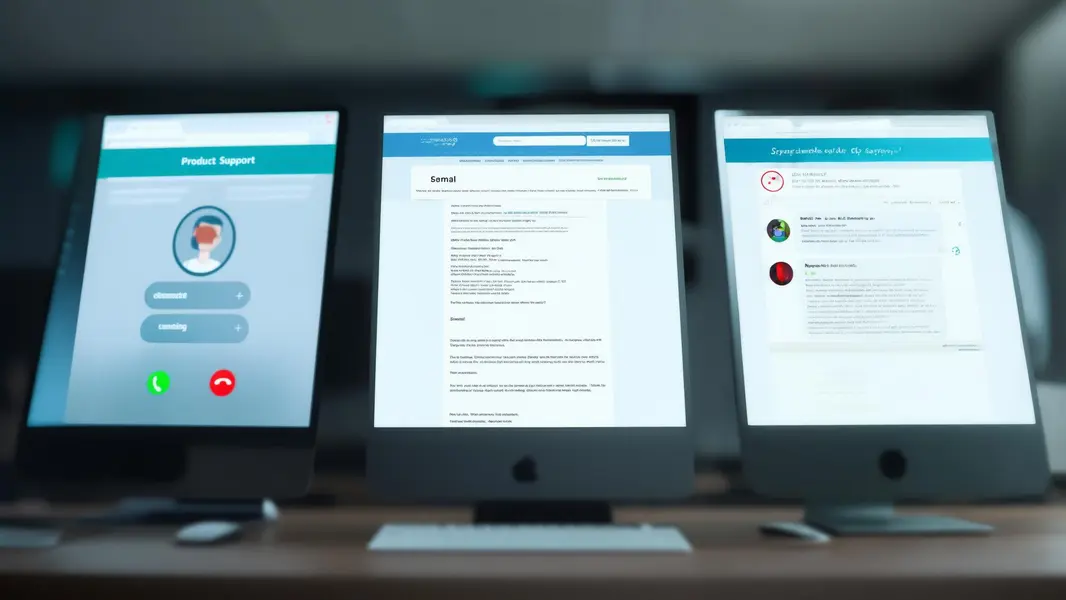
Inconsistency in customer support can create a range of issues that negatively impact customer experience and satisfaction. When each staff member or each communication channel provides conflicting information and guidance, customers may easily feel confused, lose trust, and even abandon the company’s products or services.
Lack of consistency in support processes is likely one of the primary causes of this situation. Each staff member often applies different solutions to the same issue, reflecting inconsistency in both service quality and results. Furthermore, this inconsistency often arises from a lack of standardized processes that lead customers to receive disparate information.
A lack of necessary knowledge and skills on the part of support staff is another significant challenge. Staff not adequately equipped with product or service knowledge not only complicates problem-solving but also diminishes the effectiveness of support. Additionally, poor communication skills can lead to many unnecessary misunderstandings, further frustrating customers.
To comprehensively address this issue, businesses need to build a standardized support process. Creating a unified and clear process not only helps address customer issues consistently but also ensures that all employees have the same approach to resolving problems. Utilizing CRM software to manage customer information and track interactions is an effective tool to allow staff to easily access necessary information.
Moreover, regular training is essential to enhance both product knowledge and communication skills for staff. Organizing periodic training courses, along with encouraging improvements through a reward system, will motivate employees to enhance their service quality.
Technology integration is indispensable for a more effective support system. Chatbots and automated processes not only minimize manual work but also help ensure consistency and speed of responses. Additionally, implementing an Omnichannel strategy allows customers to receive a consistent and seamless experience across all interaction channels.
Finally, collecting and analyzing customer feedback helps businesses better understand their wants and needs. This data can later be used to improve support processes, thereby creating a long-term, sustainable customer relationship that enhances satisfaction and loyalty.
Final Barrier: Difficulty in Reaching Support
In the journey to find support after purchase, contacting the support department often becomes the final yet crucial challenge. Customers not only expect timely responses but also require open and clear communication. However, this process does not always go smoothly.
One of the most common difficulties is lack of transparency and visibility in contact information. When contact information is not displayed clearly or is buried deep within subpages, customers may struggle when they urgently need assistance. To improve this, businesses should ensure that all contact information, such as hotlines, emails, and online chat, is clearly displayed on the official website. An effective solution is to learn from businesses that have successfully applied various contact channels to increase customer accessibility.
Slow response times are also a major issue. When customers have to wait too long, they may feel overlooked, resulting in dissatisfaction. To address this, applying modern technologies such as chatbots to quickly handle common requests is a solution worth considering. At the same time, increasing staff to handle particularly complex situations can also help minimize wait times.
Another critical issue is lack of cooperation and information sharing among the internal departments of the business. When information is not communicated timely and accurately, problem resolution for customers will be delayed. A centralized data management system could be the key to helping departments work more closely together, thus enhancing customer support efficiency.
Technological and resource limitations also restrict the ability to support customers effectively. To overcome this barrier, businesses need to invest in new technological systems, upgrade infrastructure, and train their staff in a professional manner.
Finally, unprofessional service attitudes can quickly undermine all other efforts of the business. Customers always expect to be treated with respect and dedication. To ensure this, support staff need to regularly receive training in soft skills, listening abilities, and situation handling.
In summary, improving the ability to contact the support department not only helps businesses retain customers but also enhances their reputation in the eyes of consumers.
Final Thoughts
In conclusion, challenges in seeking post-purchase support can seriously impact customer experience and the reputation of the business. By proactively addressing issues such as long wait times, lack of information, delayed feedback, inconsistency in support, and difficulties in contacting support, businesses can build an effective support system, enhance customer satisfaction, and promote sustainable growth. The key to success lies in investing in employee training, expanding support channels, utilizing technology, and building a professional support process.
Contact IT Systems Vietnam for inquiries.
Learn more: https://itsystems.vn/
About Us
IT SYSTEMS VIETNAM CO., LTD
IT Solutions – IT Department for Businesses
?? HOTLINE: 0283 9950 359
Email: contact@itsystems.com.vn
Website: https://itsystems.vn/
Facebook: https://www.facebook.com/ITSystems.VIETNAM
Youtube: https://www.youtube.com/@ITSYSTEMS
321/10 Phan Dinh Phung, Ward 15, Phu Nhuan District, Ho Chi Minh City.
22 House, Villa Garden, Vinh Hoang Urban Area, 431 Tam Trinh, Hoang Mai District, Hanoi.
Binh Duong Avenue, Phu Hoa, Thu Dau Mot, Binh Duong.
FAQ
When should a business ask IT Systems for support?
Ask for support when the issue affects users, business data, security, licensing compliance, service availability or daily operations. A short technical review often prevents repeated incidents and hidden costs.
Can IT Systems help review the current environment before proposing a solution?
Yes. IT Systems can review the current setup, identify risks, map the issue to the right service scope and recommend a practical next step for your business.
Does this topic connect to ongoing IT operations?
In most cases, yes. Problems around software, cloud, endpoint, network, backup or security should be connected to a broader IT operations plan instead of being handled as isolated incidents.
Need help applying this to your business?
IT Systems Vietnam can help assess the issue, recommend the right service path and support implementation for your team.


