


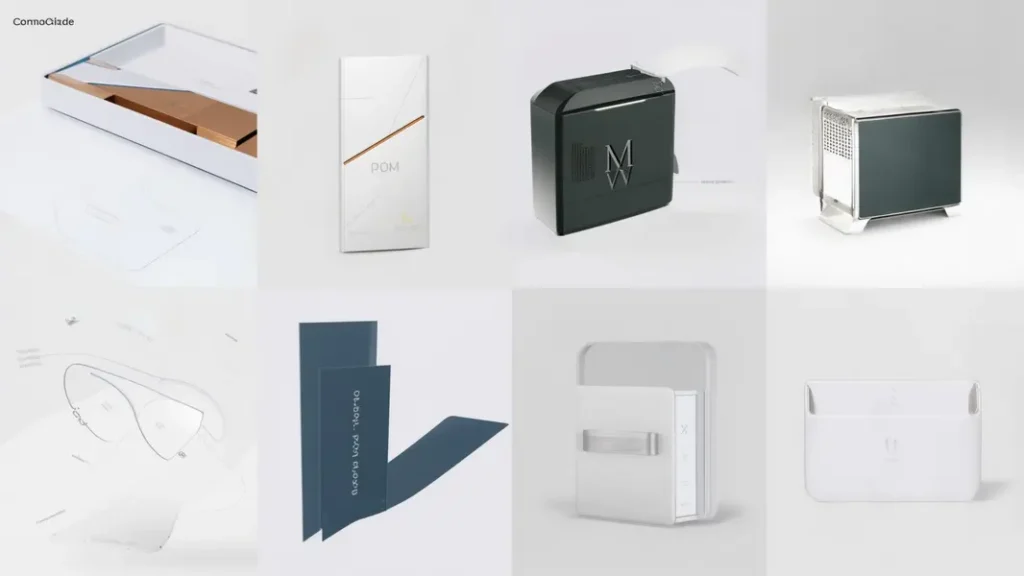
In an increasingly competitive environment, product customization capability has become a crucial factor in meeting the diverse needs of customers. However, many businesses still face low product customization capabilities, affecting their competitiveness and growth. This article will delve into the root causes, design solutions, the role of technology, cost impacts, and business strategies to help companies enhance their product customization capabilities. Each chapter will explore a different aspect, providing a comprehensive view of the issue.
Root Causes Behind Limitations in Product Customization
Low product customization capability is not just a simple technical issue but can stem from various factors, from finance to technology. One of the biggest reasons is lack of investment in technology. To shift to flexible and customer-tailored products, businesses must invest in modern technology. Additionally, the cost of setting up and maintaining these systems is significant, particularly challenging for small and medium-sized enterprises.
Another important factor is mass production with low flexibility. When companies focus on producing large quantities to reduce costs, production lines are often designed to produce according to predetermined templates, making changes difficult. This not only increases costs but also hinders customization efforts. As a result, each time a change is needed in design or features, businesses must invest in upgrading the entire system, which creates significant financial and time pressures.
Furthermore, the lack of data and analytical capabilities is also a major barrier. If a company does not have a clear customer database or good analytics, it will be challenging to respond promptly and accurately to market demands. Failing to anticipate changing consumer trends not only causes delays but also results in missed opportunities to capture new demands.
It cannot be overlooked that inflexible pricing policies and lack of diversification in business strategies also contribute to this issue. Implementing fixed pricing policies makes it difficult for businesses to adjust prices for different product options, weakening their competitive ability. A lack of product diversification makes businesses overly dependent on a few core products, reducing adaptability and responsiveness to market changes.
Finally, the lack of skills and suitable human resources can also significantly hinder product customization capabilities. A team of employees without sufficient expertise and creativity will struggle to meet the diverse product requirements. Investment in human resource development and training in new technologies is necessary to maintain competitive strength. Without a creative workforce, businesses may fail to develop innovative products, leading to a loss of market position. To address these issues, one may refer to optimizing technology resources.
Flexible Design: Enhancing Product Customization
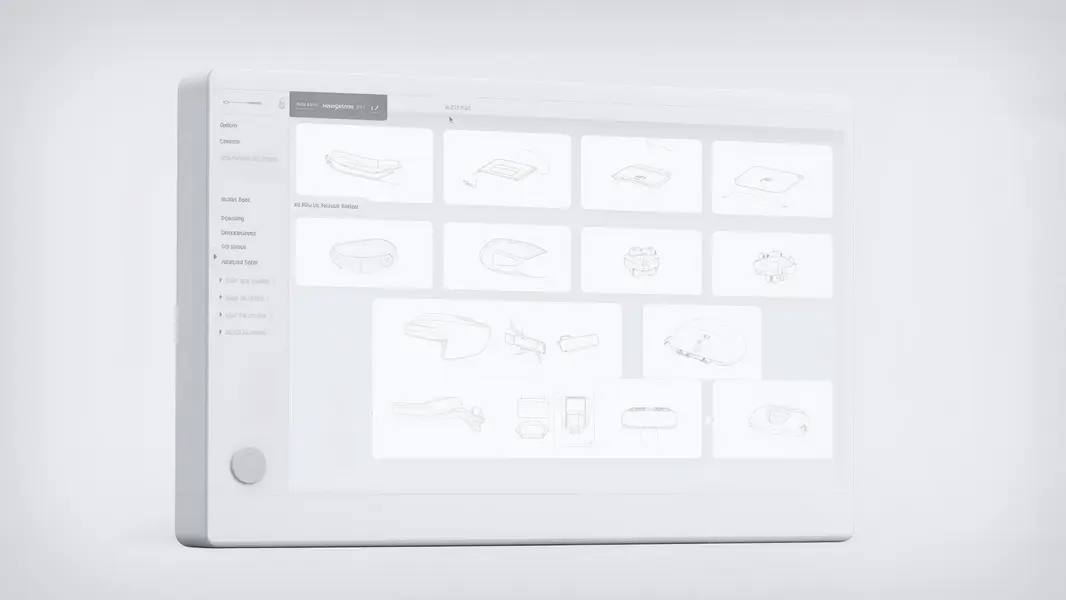
In a context where products increasingly require high customization to meet the diverse needs of consumers, flexible design plays a core role in improving product customization capabilities. By focusing on the user and integrating advanced technology, companies can create products that not only meet but exceed customer expectations.
User-centered design thinking is an important approach when developing products. This method emphasizes understanding the user, helping designers grasp the true needs and desires of users. This process goes beyond data collection to include generating ideas, prototypes, and testing. A good product is one that has been validated through real user feedback and adjusted to optimize the experience.
The next step in improving product customization capabilities is optimizing the ERP system. This is especially important for manufacturing companies. By customizing ERP to fit the specific processes of each business, companies can be more flexible in managing production and customizing products. Accordingly, using a user-friendly and efficient interface helps reduce the complexity of adjustment operations.
An essential factor is using technology and automation to minimize production costs and enhance efficiency. New technologies, such as 3D printing or smart manufacturing, allow for quick responsiveness to fluctuating market demands. This not only increases product customization capabilities but also opens up new development opportunities for businesses.
(Learn more on optimizing resources for technological advancement: Optimizing technology resources)
Finally, the spirit of collaboration and co-creation among departments within the company and consumers brings significant value. Collaboration generates creative ideas, directly integrating contributions from various stakeholders and ensuring that the final product truly reflects current market needs. Rapid experimentation and iteration allow designers to adjust products based on real feedback, thus improving customization capabilities.
By implementing flexible design solutions, businesses not only expand their ability to impress customers but also enhance their competitive advantage in an ever-changing market.
Technology: The Key to Flexible Product Customization
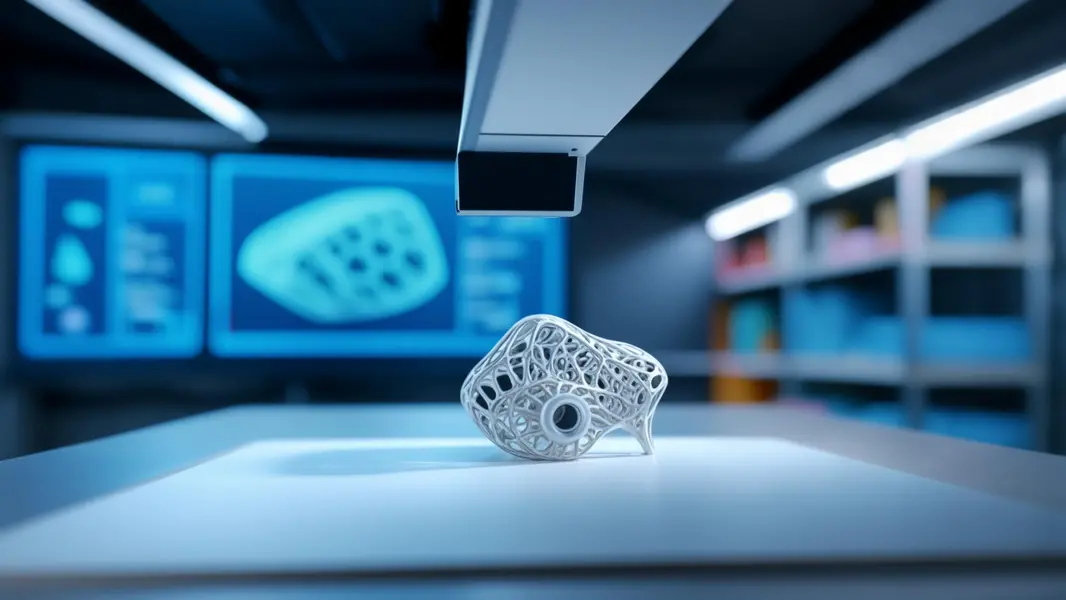
In today’s business world, technology is becoming an indispensable means to expand product customization capabilities. Particularly, the emergence of 3D technology, IIoT, ERP and MES software, along with robotics and automation is changing the way we think about manufacturing.
3D printing technology has opened the door to producing parts on demand with high precision and lower costs. This not only reduces product development time but also helps minimize material waste—a key factor in sustainable manufacturing environments. Similarly, The Industrial Internet of Things (IIoT) provides a new approach to managing and optimizing production processes. IIoT allows for real-time data collection and analysis, improving performance and minimizing errors.
ERP and MES software play a crucial role in managing everything from raw materials to the final product. Integrating these systems allows for more efficient tracking and adjustment of production processes, flexibly responding to customer demands. Meanwhile, robotics and automation not only increase production speed but also enhance precision. This supports the production of customized products with high quality and lower labor costs.
Equally important, big data and data analytics are helping businesses gain deeper insights into customer needs and consumption behavior. This capability not only improves products but also creates added value for customers, increasing satisfaction and loyalty. This may relate to pricing strategies and customer relationship management, aspects previously discussed in earlier chapters.
Finally, high-speed printing technology provides an optimal solution for those who need to produce flexibly and quickly. This not only reduces time to market but also improves quality by applying modern manufacturing processes.
In summary, technology plays an indispensable role in enhancing product customization capabilities, thus helping businesses maintain competitiveness in an increasingly fierce market. To explore more about the potentials of technology, refer to Article on optimizing technology resources.
Cost Impact and Lack of Flexibility Due to Low Product Customization

Low product customization capability leads to many unforeseen consequences for businesses, particularly regarding costs and flexibility in business strategy. Firstly, the lack of customization results in increased variable costs and marginal costs. Variable costs typically grow in proportion to the production volume, but when products cannot be easily adjusted, companies struggle to optimize production volume to minimize these costs. Additionally, producing extra products, or marginal costs, does not decrease because the expected economies of scale are limited when product customization is constrained.
Another significant impact is on market demand. Low product customization capability can cause businesses to lose market share as they cannot respond promptly to diverse customer demands. Large-scale, inflexible production will lead to high inventory levels, causing resource waste. This also forces companies to spend more on marketing costs just to persuade customers to buy undifferentiated products with lower competitive advantages.
From a business strategy perspective, the lack of flexibility due to an inability to customize products affects a company’s responsiveness to changes from the market and competitors. If a company cannot change in a timely manner, it will face numerous obstacles in either increasing or maintaining market position. The optimization of strategy, especially in marketing and distribution, becomes more complicated without product flexibility.
Finally, ERP systems can be viewed as a potential solution for improving product customization capabilities. Customizing ERP will help optimize production processes, but this requires significant investments in time and costs. Nevertheless, a customized ERP system offers long-term benefits, helping businesses enhance flexibility and respond better to market demands.
Low product customization capability is not only a cost issue but also poses a significant challenge to a company’s competitiveness. Finding ways to improve customization capabilities could expand opportunities and strengthen market position. To read more about optimizing technology systems and effectively using ERP, refer to the article on optimizing technology resources.
Intelligent Business Strategies to Enhance Product Customization

Low product customization capability is a significant challenge for many businesses today. However, by applying intelligent business strategies, companies can address this issue without incurring excessive costs. One effective strategy is cost leadership strategy, aiming to become the lowest-cost producer. To achieve this, businesses should optimize production and operational processes while applying automation to reduce labor costs. Negotiating raw material prices with suppliers and optimizing the supply chain to reduce costs are useful measures.
Moreover, the focused differentiation strategy also plays an essential role. By concentrating on the needs of a specific market segment, businesses can develop customized products and satisfy customers at a reasonable cost. This enhances the customer experience through dedicated service and support. Coca-Cola with Diet Coke is a prime example of effectively meeting the needs of health-conscious consumers while ensuring profitability.
An essential factor is optimizing the production process to reduce costs while maintaining product quality. Implementing modern manufacturing technologies, such as using recycled or environmentally friendly materials, not only saves costs but also contributes to environmental protection.
To ensure smooth customization, close collaboration among departments is necessary. Organizing regular meetings among departments and utilizing project management tools helps accelerate product development. Apple is an example of effective cooperation among design, manufacturing, and marketing departments.
Finally, continuous measurement and optimization is crucial to improving customization capability. Businesses should use KPIs to measure strategic performance, gather customer feedback to adjust products, and apply A/B testing to optimize processes. Amazon has demonstrated the success of this approach by continuously adjusting its strategy based on customer data.
By implementing and combining these strategies, businesses can not only increase product customization capabilities but also create a strong competitive advantage in today’s market. To learn more about optimizing technology in business, you can refer to optimizing technology resources.
Final thoughts
Low product customization capability is a significant challenge for many businesses. However, by applying flexible design solutions, leveraging new technologies, and building a comprehensive business strategy, companies can overcome these limitations and meet the diverse needs of customers. Investing in product customization capabilities not only helps increase revenue and market share but also enhances competitiveness and creates long-term value for the business. The key is to understand customer needs and maintain flexibility in all processes.
Contact IT Systems Vietnam for consultation
Learn more: https://itsystems.vn/
About us
IT SYSTEMS VIETNAM CO., LTD
IT Solutions – IT Department for Enterprises
☎️ HOTLINE: 0283 9950 359
Email: contact@itsystems.com.vn
Website: https://itsystems.vn/
Facebook: https://www.facebook.com/ITSystems.VIETNAM
Youtube: https://www.youtube.com/@ITSYSTEMS
321/10 Phan Đình Phùng, Ward 15, Phu Nhuan District, Ho Chi Minh City.
House No. 22, Garden Villa, Vinh Hoang Urban Area, 431 Tam Trinh, Hoang Mai District, Hanoi.
Binh Duong Avenue, Phu Hoa, Thu Dau Mot, Binh Duong.
FAQ
When should a business ask IT Systems for support?
Ask for support when the issue affects users, business data, security, licensing compliance, service availability or daily operations. A short technical review often prevents repeated incidents and hidden costs.
Can IT Systems help review the current environment before proposing a solution?
Yes. IT Systems can review the current setup, identify risks, map the issue to the right service scope and recommend a practical next step for your business.
Does this topic connect to ongoing IT operations?
In most cases, yes. Problems around software, cloud, endpoint, network, backup or security should be connected to a broader IT operations plan instead of being handled as isolated incidents.
Need help applying this to your business?
IT Systems Vietnam can help assess the issue, recommend the right service path and support implementation for your team.


